Heath, TX · Rockwall County
Emergency Water Extraction in Heath, TXWet Drywall Water Removal & Burst Pipe Water Extraction
Emergency Water Extraction in Heath runs from standing water removal and emergency flood water extraction to wet drywall water removal.
Answered 24/7
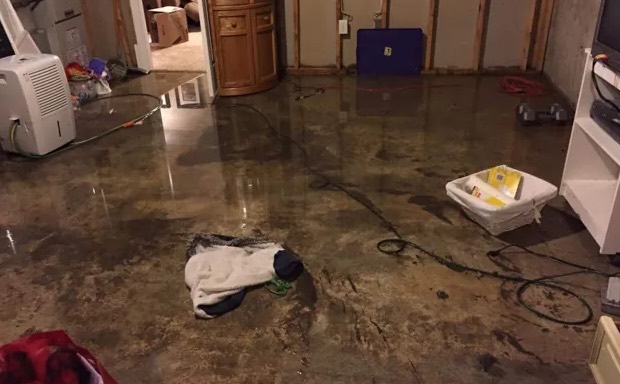
Emergency Water Extraction Services Available in Heath Today
Most emergency water calls in Heath come from burst pipes, failed water heaters, overflowing toilets, storms and sewer backups. Each one puts water where it should not be, fast.
Property owners in Heath can call (214) 730-5993 day or night when water starts spreading. Service also covers Sunnyvale, Forney and Rockwall, with the same extraction and drying steps.
The Emergency Water Extraction Process for Heath Properties
Wet Drywall Water Removal
Drywall that wicked up water is checked with a meter. Lightly damp drywall can be dried in place, while soaked drywall is cut out.
Burst Pipe Water Extraction
The burst section is noted and photographed for the plumber while the water is removed and the house is dried.
Emergency Water Damage Cleanup
Wet rugs, boxes and debris are cleared, and surfaces touched by dirty water are cleaned before drying starts.
Emergency Flood Water Extraction
Floodwater from outside is treated as contaminated, so extraction is followed by removal of soaked porous materials and cleaning.
Carpet Water Extraction Services
Weighted extraction tools press water out of carpet and pad in slow passes, removing far more water than a surface wand.
Red Flags for Water Damage in Heath
Buckling Hardwood Floors
Hardwood that cups or buckles has absorbed water from a leak above or below it.
Soggy or Wet Carpeting
Carpet that squishes or feels cold and wet underfoot is holding water in the pad below.
Wet Insulation in Attics
Insulation in the attic that is wet or matted points to a roof leak or attic plumbing failure.
Musty or Damp Odors
A damp or musty smell after a leak means water is still trapped in carpet, walls or subfloor.
How Emergency Water Extraction Works in Heath
Step 1: Emergency Response Assessment
Power is made safe, sagging ceilings are checked and people are kept away from hazards.
Step 2: Water Extraction Process
Water is extracted from carpet, hard floors and low spots across every affected room.
Step 3: Targeted Drying and Dehumidification
Air movers and dehumidifiers dry the walls and subfloors where the water soaked in.
Step 4: Final Damage Documentation
Final readings confirm the structure is dry, and records are compiled for your insurer.
Typical Reasons for Emergency Water Extraction in Heath
Appliance Malfunctions and Overflows
Washers, dishwashers, water heaters and refrigerator lines fail and flood the floor around them.
HVAC System Condensation Issues
Clogged AC condensate lines overflow into closets, attics and the ceilings of rooms below.
Fire Suppression System Activation
Damaged or triggered fire sprinkler heads can soak a room or a whole floor quickly.
Severe Weather and Flooding
Heavy storms and flooding push water into homes and businesses through doors, walls and roofs.
Residential and Commercial Emergency Water Extraction in Heath
Residential Emergency Water Extraction
Homeowners with pets or young children should keep them away from sewage or floodwater until cleanup is done.
Commercial Emergency Water Extraction
Restaurants, medical offices and schools need contaminated water cleaned up to the health rules for those spaces before reopening.
When to Hire Local Pros for Emergency Water Extraction in Heath
Shutting off the main water, turning off power to wet rooms and moving belongings are the right first steps. Call local water damage pros as soon as water has reached carpet, walls or more than one room.
Cost Considerations for Emergency Water Extraction in Heath
The cost of emergency water extraction in Heath depends on how much water there is, what type it is, how many rooms it reached and how long drying takes.
Required Drying Time
Drying usually takes several days, and each extra day of equipment adds to the total.
Water Source and Type
Clean water costs less to extract and dry than sewage or floodwater, which needs disinfection.
Time of Service Call
Night, weekend and holiday calls can cost more than a scheduled weekday visit.
Does Insurance Cover Emergency Water Extraction?
Photograph the water, the source and damaged belongings before cleanup starts, and keep receipts for emergency extraction, drying equipment and any hotel stay.
Benefits of Local Emergency Water Extraction in Heath
Clear Communication
You get plain updates on what was extracted, what was removed and how drying is going.
Moisture Mapping
Meters and thermal cameras show where water spread under floors and inside walls.
24/7 Emergency Response
Help is available day or night, because water emergencies get worse every hour.
Round-the-Clock Emergency Water Extraction in Heath, TX
If water is near outlets, the electrical panel or appliances, stay out of it and shut off power only if safe. Then call (214) 730-5993 for help in Heath.
Call Now (214) 730-5993Emergency Water Extraction in Heath and Other Areas Served
Each place listed below has its own page with local details.
- Emergency Water Extraction in Sunnyvale
- Emergency Water Extraction in Forney
- Emergency Water Extraction in Rockwall
- Emergency Water Extraction in Rowlett
- Emergency Water Extraction in Mesquite
- Emergency Water Extraction in Murphy
- Emergency Water Extraction in Wylie
- Emergency Water Extraction in Sachse
Emergency Water Extraction FAQs for Heath Property Owners
What should I do while waiting for emergency water extraction?
Shut off the water, turn off power to wet rooms if safe, move belongings and take photos of the damage.
Is sewage backup cleanup different from regular water extraction?
Yes. Sewage needs protective gear, containment, removal of soaked materials and disinfection before drying.
What is the process for flood water extraction?
Make power safe, pump out deep water, extract floors and carpet, remove contaminated materials and dry the structure.
What is moisture inspection and why is it needed?
Checking walls, floors and ceilings with meters and thermal cameras to find water that is not visible after extraction.
What tools are used for emergency water extraction?
Submersible pumps, truck-mounted and portable extractors, weighted carpet tools, air movers, dehumidifiers and moisture meters.