Greenville, TX · Hunt County
Attic Water Removal in Greenville, TXAttic Mold Prevention & Attic Leak Water Cleanup
Get attic water removal in Greenville for attic moisture inspection, attic leak water cleanup and attic mold prevention.
Answered 24/7
Attic Water Removal Services for Greenville Homes
Attic Water Removal in Greenville is about protecting the ceiling. Water on top of drywall soaks in and adds weight, and wet insulation keeps it soaking long after the leak stops.
A heavy storm in Greenville can push water into an attic overnight. Local water extraction specialists serve Greenville and nearby Caddo Mills, Josephine and Commerce, with help available around the clock.
Comprehensive Attic Water Removal Offerings
Attic Mold Prevention
Fast drying is the main protection. Antimicrobial treatment is added only where framing and decking stayed wet long enough to need it.
Attic Leak Water Cleanup
The leak is stopped or tarped first, then water on the attic floor, on top of the drywall and around ducts and wiring is removed with wet vacs.
Roof Leak Water Removal
The entry point is photographed and marked, which helps both the roofer and your insurance adjuster.
Wet Attic Insulation Removal
Fiberglass batts are lifted out by hand, while wet blown-in insulation is vacuumed with a high-powered insulation vacuum.
Attic Drying Services
Drying continues until rafters, decking and ceiling drywall reach normal moisture readings, which is often several days.
When to Consider Attic Water Removal in Greenville
Increased Indoor Humidity Levels
Upstairs rooms that feel sticky or humid may have moisture coming down from the attic.
Peeling Paint on Ceilings or Walls
Paint that peels or blisters on upstairs ceilings and walls often has water behind it.
Visible Mold in Attic Spaces
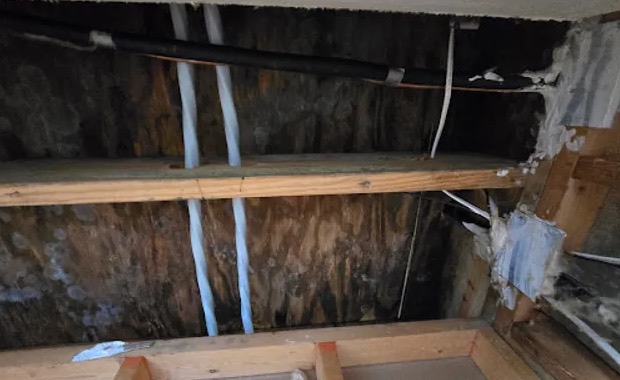
Dark spots on rafters or roof decking mean the wood has stayed damp for days or longer.
Rotting Wood on Attic Beams
Soft, dark or crumbling wood on rafters and beams points to long-term moisture.
How Attic Water Removal Works in Greenville
Step 1: Source Control and Water Removal
The roof is tarped or the line shut off, and pooled water is removed from the attic floor.
Step 2: Wet Attic Cleanup and Debris Removal
Soaked insulation, wet debris and stored items are cleared so the wood and drywall can dry.
Step 3: Structural Drying and Dehumidification
Air movers and dehumidifiers are set on boards in the attic and run until readings drop.
Step 4: Final Attic Moisture Check
Decking, rafters and the ceiling below are tested to confirm they are dry before repairs.
Frequent Sources of Attic Water Damage in Greenville
Overflow From Clogged Bathroom Exhaust Ducts
Bathroom fan ducts that are loose or vented into the attic release moisture onto the wood.
HVAC System Leaks or Drain Pan Overflow
An attic air handler overflows when its condensate line clogs or the drain pan cracks.
Clogged or Disconnected Gutters
Clogged or loose gutters let water back up under the roof edge and into the soffits.
Storm Damage From High Winds or Hail
High winds and hail can damage shingles and open the roof to rain during a storm.
Attic Water Removal for Homes and Businesses
Residential Attic Water Removal
In houses, attic water usually reaches a bedroom or hallway ceiling. Water and wet insulation are removed from above, and the ceiling below is dried or replaced.
Commercial Attic Water Removal
In commercial buildings, water above a drop ceiling soaks tiles and insulation over several rooms. Wet tiles are removed and the plenum space above is dried.
Professional Attic Water Removal Compared to DIY
If the ceiling is bulging, keep people out of the room and place a bucket nearby. Local water extraction specialists can drain and remove it in a controlled way.
Factors Influencing Attic Water Removal Cost
Roof or plumbing repair is billed separately from water removal and drying. In Greenville, both are needed after most attic leaks.
Type of Insulation Affected
Blown-in insulation takes more time to remove than batts, and both add disposal costs.
Drying Time Required
Dense wood framing can take several days to dry, which adds equipment time.
Mold Prevention Measures
Antimicrobial treatment of wood that stayed wet is an added step, priced by area.
Does Insurance Cover Attic Water Removal?
Photograph the attic, the ceiling and any roof damage before cleanup, and keep receipts for tarping and emergency water removal.
Advantages of Hiring Local Pros for Attic Water Removal in Greenville
Dehumidification Equipment
Dehumidifiers sized for the attic remove moisture much faster than roof vents and open hatches alone.
Post-Cleanup Verification
Final readings confirm the attic is dry before new insulation goes in.
24/7 Emergency Response
Help is available day or night when water is coming through the ceiling.
24-Hour Emergency Attic Water Removal Near Greenville
Wet insulation keeps the ceiling soaking every hour it stays. Call (214) 730-5993 for attic water removal in Greenville as soon as you see a stain or drip.
Call Now (214) 730-5993Local Attic Water Removal Coverage Area
Each place listed below has its own page with local details.
Attic Water Removal Questions and Answers
How can mold be prevented after attic water removal?
By drying wood quickly, fixing ventilation problems and treating framing that stayed wet with an antimicrobial.
What are attic dehumidification services?
Dehumidifiers placed in the attic pull moisture from the air and wood, speeding drying after a leak.
What causes attic water damage?
Roof leaks, plumbing failures, attic AC overflows, water heater leaks, loose bath fan ducts and poor ventilation.
Can wet attic insulation be saved?
Lightly damp areas sometimes dry, but soaked or matted insulation is usually removed and replaced after the attic dries.
What equipment is used for attic water extraction?
Wet vacs, pumps, air movers, dehumidifiers, moisture meters and thermal cameras, plus vacuums for wet insulation.