Coppell, TX · Dallas County
Attic Water Removal in Coppell, TXAttic Mold Prevention & Attic Leak Water Cleanup
Attic Water Removal in Coppell runs from roof leak water removal and wet attic insulation removal to ceiling water damage cleanup.
Answered 24/7
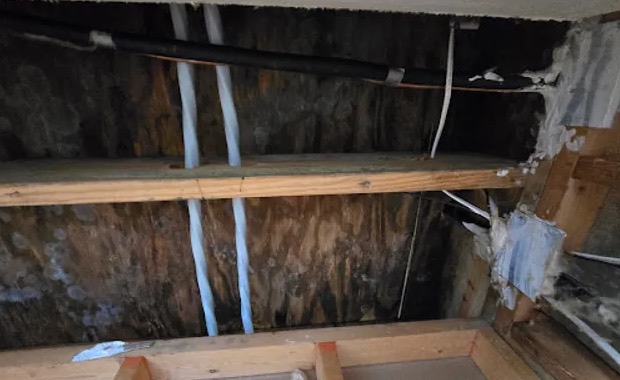
Expert Attic Water Removal for Coppell
An attic leak is easy to miss and expensive to ignore. In Coppell, water from a roof, pipe or AC pan can soak insulation and decking for weeks, then show up all at once as a stained or sagging ceiling.
Homes in Coppell and nearby Grapevine, Lewisville and Carrollton often have AC units, ducts and plumbing in the attic, as well as insulation. The pros handle water from any of those sources, plus roof leaks after storms.
Comprehensive Attic Water Removal Offerings
Attic Mold Prevention
Ventilation problems, such as blocked soffit vents or a bath fan venting into the attic, are pointed out so the attic does not stay damp.
Attic Leak Water Cleanup
Water-stained debris, wet cardboard and soaked stored items are cleared out so the attic floor can be dried.
Emergency Attic Water Extraction
Water sitting on top of ceiling drywall adds weight fast. Removing it quickly can mean the difference between drying a ceiling and replacing it.
Attic Moisture Inspection
The inspection shows the full spread of the leak, so every wet area is either dried or removed.
Roof Leak Water Removal
The entry point is photographed and marked, which helps both the roofer and your insurance adjuster.
Indicators of Attic Water Damage in Coppell
Sagging or Bubbling Ceiling Drywall
Ceiling drywall that sags, bulges or bubbles at the seams is holding water and may fall.
Increased Indoor Humidity Levels
Upstairs rooms that feel sticky or humid may have moisture coming down from the attic.
Water Dripping From Light Fixtures
Water dripping from a ceiling light or fan means an active leak above. Turn off that circuit.
Rotting Wood on Attic Beams
Soft, dark or crumbling wood on rafters and beams points to long-term moisture.
How Attic Water Removal Works in Coppell
Step 1: Source Control and Water Removal
The roof is tarped or the line shut off, and pooled water is removed from the attic floor.
Step 2: Wet Attic Cleanup and Debris Removal
Soaked insulation, wet debris and stored items are cleared so the wood and drywall can dry.
Step 3: Structural Drying and Dehumidification
Air movers and dehumidifiers are set on boards in the attic and run until readings drop.
Step 4: Final Attic Moisture Check
Decking, rafters and the ceiling below are tested to confirm they are dry before repairs.
Leading Origins of Attic Water Damage
Burst or Leaking Plumbing Pipes
Supply lines and drain pipes in the attic can crack or burst onto the ceiling.
Clogged or Disconnected Gutters
Clogged or loose gutters let water back up under the roof edge and into the soffits.
HVAC System Leaks or Drain Pan Overflow
An attic air handler overflows when its condensate line clogs or the drain pan cracks.
Appliance Malfunctions Like Water Heater Leaks
Water heaters located in the attic can leak or fail, flooding the attic floor.
Both Residential & Commercial Attic Water Removal
Residential Attic Water Removal
In townhomes and condos, a shared attic can carry water into a neighbor's ceiling. Clear photos and readings help sort out repairs with the association.
Commercial Attic Water Removal
Property managers get records for each affected suite or unit, which helps with roof repair planning and insurance claims.
Professional Attic Water Removal Compared to DIY
If the ceiling is bulging, keep people out of the room and place a bucket nearby. Local water extraction specialists can drain and remove it in a controlled way.
Understanding Attic Water Removal Pricing
Roof or plumbing repair is billed separately from water removal and drying. In Coppell, both are needed after most attic leaks.
Access and Attic Complexity
Low headroom and small access hatches make attic work slower than open spaces.
Extent of Water Damage
A leak confined to one bay costs less than water spread across the attic and the rooms below.
Mold Prevention Measures
Antimicrobial treatment of wood that stayed wet is an added step, priced by area.
Does Insurance Cover Attic Water Removal?
Photograph the attic, the ceiling and any roof damage before cleanup, and keep receipts for tarping and emergency water removal.
The Value of Local Attic Water Removal Experts
Industry Drying Standards
Drying follows industry water damage standards, with moisture readings taken at every visit.
Source Identification
The pros trace the water to its source and note it for the roofer or plumber.
Post-Cleanup Verification
Final readings confirm the attic is dry before new insulation goes in.
24/7 Emergency Attic Water Removal in Coppell
Night, weekend or holiday, the specialists handle attic water in Coppell. Call (214) 730-5993 to get the water out and the ceiling protected.
Call Now (214) 730-5993Communities Served for Attic Water Removal
Need attic water removal outside Coppell? Service also covers Grapevine, Lewisville and Carrollton, including emergency help after storms.
- Attic Water Removal in Grapevine
- Attic Water Removal in Lewisville
- Attic Water Removal in Carrollton
- Attic Water Removal in Southlake
- Attic Water Removal in Farmers Branch
- Attic Water Removal in Irving
- Attic Water Removal in Addison
- Attic Water Removal in Euless
- Emergency Damage Restoration in 75019
- Storm Damage Restoration in 75019
- Water Damage Restoration in 75019
- Water Extraction Service in 75019
- Water Leak Detection in 75019
- Water Removal Service in 75019
- Emergency Damage Restoration in 75099
- Storm Damage Restoration in 75099
Common Attic Water Removal Queries Answered
What are attic dehumidification services?
Dehumidifiers placed in the attic pull moisture from the air and wood, speeding drying after a leak.
What does water damaged attic restoration include after drying?
New insulation, any decking or framing repairs, and ceiling drywall replacement and paint in the room below.
What equipment is used for attic water extraction?
Wet vacs, pumps, air movers, dehumidifiers, moisture meters and thermal cameras, plus vacuums for wet insulation.
What happens during wet attic cleanup?
Water, wet insulation and debris are removed, stored items are moved out and the attic floor is cleaned before drying.
Why is emergency attic drying important?
Wet wood and drywall break down quickly. Drying fast saves more of the ceiling and lowers the risk of microbial growth.