Colleyville, TX · Tarrant County
Attic Water Removal in Colleyville, TXAttic Leak Water Cleanup & Emergency Attic Water Extraction
Attic Water Removal in Colleyville runs from roof leak water removal and wet attic insulation removal to ceiling water damage cleanup.
Answered 24/7
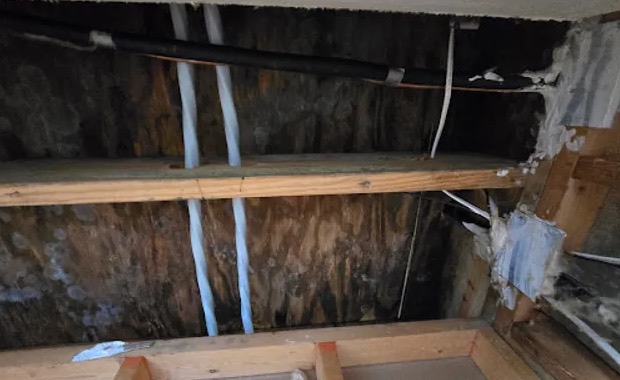
Attic Water Removal Services for Colleyville Homes
Attic leaks that run for a long time in Colleyville can rot roof decking and rust fasteners. Even after the roof is fixed, that wood stays wet unless it is dried.
Homes in Colleyville and nearby Bedford, Hurst and Southlake often have AC units, ducts and plumbing in the attic, as well as insulation. The pros handle water from any of those sources, plus roof leaks after storms.
Specialized Attic Water Removal for Colleyville
Attic Leak Water Cleanup
Water-stained debris, wet cardboard and soaked stored items are cleared out so the attic floor can be dried.
Emergency Attic Water Extraction
When a storm or a burst pipe floods the attic, help is available any hour to remove the water before the ceiling below fails.
Attic Drying Services
Drying continues until rafters, decking and ceiling drywall reach normal moisture readings, which is often several days.
Wet Attic Insulation Removal
Fiberglass batts are lifted out by hand, while wet blown-in insulation is vacuumed with a high-powered insulation vacuum.
Ceiling Water Damage Cleanup
A water-stained ceiling below the attic is checked with a meter. Firm, lightly damp drywall can dry in place, while soft or sagging drywall comes down.
Indicators of Attic Water Damage in Colleyville
Water Dripping From Light Fixtures
Water dripping from a ceiling light or fan means an active leak above. Turn off that circuit.
Increased Indoor Humidity Levels
Upstairs rooms that feel sticky or humid may have moisture coming down from the attic.
Peeling Paint on Ceilings or Walls
Paint that peels or blisters on upstairs ceilings and walls often has water behind it.
Condensation on Attic Windows or Nails
Damp nail tips or water droplets on attic surfaces point to moisture or ventilation problems.
How Attic Water Removal Works in Colleyville
Step 1: Containment and Safety Setup
Power to wet fixtures is shut off and plastic sheeting protects the room below.
Step 2: Roof Leak Water Removal and Cleanout
Rainwater is removed, a tarp is placed over roof damage, and wet debris is cleared.
Step 3: Moisture Evaporation and Attic Drying
Equipment runs on safe footing in the attic, with readings checked each day.
Step 4: Validation of Dry Conditions
Final readings are compared to dry areas to confirm the attic is ready for new insulation.
Typical Sources of Attic Water Damage
Burst or Leaking Plumbing Pipes
Supply lines and drain pipes in the attic can crack or burst onto the ceiling.
HVAC System Leaks or Drain Pan Overflow
An attic air handler overflows when its condensate line clogs or the drain pan cracks.
Condensation From Poor Attic Ventilation
Moist air from the house condenses on roof decking when attic ventilation is poor.
Overflow From Clogged Bathroom Exhaust Ducts
Bathroom fan ducts that are loose or vented into the attic release moisture onto the wood.
Both Residential & Commercial Attic Water Removal
Residential Attic Water Removal
In two-story homes, attic water can run down inside walls to the floor below. Walls under the leak are checked with a meter and dried if needed.
Commercial Attic Water Removal
Flat-roof buildings often have water that travels far before it drips. The path above the ceiling is traced so every wet section is found.
Professional Attic Water Removal Compared to DIY
A roof repair stops new water from getting in, but the wet insulation and decking stay wet. After the repair, have the attic checked for remaining moisture.
Attic Water Removal Cost in Colleyville, TX
In Colleyville, the biggest costs in attic jobs are usually insulation removal, drying equipment days and ceiling repair in the room below.
Access and Attic Complexity
Low headroom and small access hatches make attic work slower than open spaces.
Type of Insulation Affected
Blown-in insulation takes more time to remove than batts, and both add disposal costs.
Extent of Water Damage
A leak confined to one bay costs less than water spread across the attic and the rooms below.
Does Insurance Cover Attic Water Removal?
Photograph the attic, the ceiling and any roof damage before cleanup, and keep receipts for tarping and emergency water removal.
Advantages of Hiring Local Pros for Attic Water Removal in Colleyville
Advanced Moisture Detection
Moisture meters and thermal cameras find wet wood and insulation that look dry.
Mold Inhibitor Application
Wood that stayed wet can be treated with an antimicrobial after it is dried.
Dehumidification Equipment
Dehumidifiers sized for the attic remove moisture much faster than roof vents and open hatches alone.
Round-the-Clock Attic Water Removal for Colleyville
Water dripping through your ceiling in Colleyville? Put a bucket under it, move belongings and call (214) 730-5993. Attic water removal is available 24/7.
Call Now (214) 730-5993Communities Served for Attic Water Removal
Besides Colleyville, local attic water removal pros remove attic water, wet insulation and soaked ceiling drywall in nearby Bedford, Hurst and Southlake.
- Attic Water Removal in Bedford
- Attic Water Removal in Hurst
- Attic Water Removal in Southlake
- Attic Water Removal in Euless
- Attic Water Removal in North Richland Hills
- Attic Water Removal in Grapevine
- Attic Water Removal in Richland Hills
- Attic Water Removal in Haltom City
- Emergency Damage Restoration in 76034
- Storm Damage Restoration in 76034
- Water Damage Restoration in 76034
- Water Extraction Service in 76034
- Water Leak Detection in 76034
- Water Removal Service in 76034
Attic Water Removal FAQs
What causes attic water damage?
Roof leaks, plumbing failures, attic AC overflows, water heater leaks, loose bath fan ducts and poor ventilation.
How can mold be prevented after attic water removal?
By drying wood quickly, fixing ventilation problems and treating framing that stayed wet with an antimicrobial.
What is involved in attic water removal?
Stopping the source, removing pooled water, bagging wet insulation, drying the framing and decking, and checking the ceiling below.
What equipment is used for attic water extraction?
Wet vacs, pumps, air movers, dehumidifiers, moisture meters and thermal cameras, plus vacuums for wet insulation.
Why is emergency attic drying important?
Wet wood and drywall break down quickly. Drying fast saves more of the ceiling and lowers the risk of microbial growth.