Grand Prairie, TX · Dallas County
Antimicrobial Treatment Services in Grand Prairie, TXHVAC Duct Sanitization & Post Flood Disinfection Services
Antimicrobial Treatment Services in Grand Prairie: mold remediation antimicrobial treatment, crawl space antimicrobial treatment and HVAC duct sanitization after leaks.
Answered 24/7
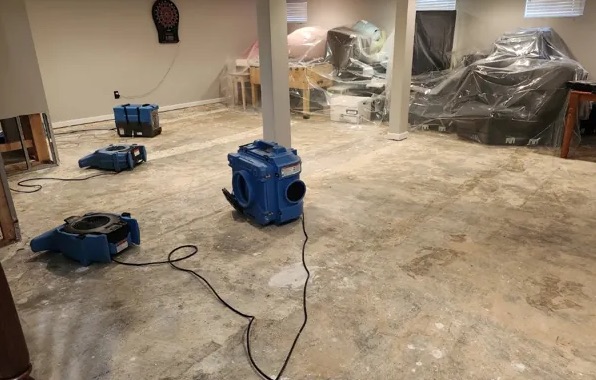
Local Antimicrobial Treatment Services for Grand Prairie Properties
In Grand Prairie, antimicrobial treatment is a finishing step after water damage, not a shortcut. It works on clean, dry surfaces and helps slow microbial growth on framing, subfloor and concrete that can be kept.
In Grand Prairie, antimicrobial treatment is usually part of a larger water damage job. Local disinfection specialists serve Grand Prairie, Irving, Euless and Duncanville, treating framing, subfloors and hard surfaces once drying is complete.
Comprehensive Antimicrobial Treatment Services for Grand Prairie Homes
HVAC Duct Sanitization
After water reaches ductwork, from a flood or a leaking air handler, accessible duct surfaces are cleaned and treated, and badly soiled flexible duct may be replaced.
Post Flood Disinfection Services
Floodwater carries soil, bacteria and debris. After extraction, floors, walls and cabinets it touched are cleaned and then treated with a disinfectant.
Emergency Sewage Sanitization
Areas touched by sewage are contained so contamination is not tracked into clean rooms, then cleaned and disinfected step by step.
Mold Remediation Antimicrobial Treatment
After damaged materials are removed and the area is dried, an EPA-registered antimicrobial is applied to framing and subfloor to slow regrowth on surfaces that stay in place.
Bathroom Mold Treatment
Damaged caulk and stained drywall near a shower are removed, the area is dried, and an antimicrobial is applied before new materials go in.
Warning Signs You Need Antimicrobial Treatment Services
Poor Airflow From HVAC Vents
A musty smell from vents or weak airflow can mean moisture reached the ductwork or air handler.
Sewage or Dirty Water Contact
Any surface touched by sewage or floodwater needs cleaning and disinfection, not just drying.
Recurring Mold After Cleaning
Spots that come back after cleaning usually mean the material is still wet inside or the leak was never fixed.
Discoloration or Staining on Walls
Yellow or brown stains on walls and ceilings point to water that soaked in and may have carried dirt or contamination.
How Antimicrobial Treatment Services Work in Grand Prairie
Step 1: Emergency Response and Hazard Containment
For sewage or floodwater, the area is closed off and power to wet rooms is checked for safety.
Step 2: Affected Material Removal and Disposal
Contaminated carpet, pad and drywall are bagged and carried out, following local rules for disposing of sewage-soaked materials.
Step 3: Antimicrobial Fogging and Coating
Remaining framing and hard surfaces are treated by spraying, wiping or fogging, depending on the space.
Step 4: Final Sanitization and Walk-Through
Surfaces are wiped down, the area is checked, and the treatment record is shared with you.
Factors Contributing to Surface Sanitizing Issues in Grand Prairie
Appliance Malfunctions and Overflows
Dishwashers, washers and water heaters leak into cabinets and subfloors where water hides and stays.
Roof Leaks and Poor Ventilation
Roof leaks let water into attics and ceilings, where poor airflow keeps insulation and wood damp for days.
High Indoor Humidity Levels
Constant high humidity keeps materials damp enough for mold, even without a single large leak.
Inadequate Drying After Water Damage
Water damage that was mopped up but never fully dried leaves moisture inside walls and under floors.
Both Residential & Commercial Antimicrobial Treatment Services in Grand Prairie
Residential Antimicrobial Treatment Services
For homeowners, the main question is what can stay and what must go. Hard surfaces and framing can usually be cleaned and treated, while soaked carpet and drywall are often replaced.
Commercial Antimicrobial Treatment Services
For property managers, a backup in one unit can affect shared walls and floors. Each affected area is contained, cleaned, treated and documented separately for the owner and insurer.
When DIY Fails: Antimicrobial Treatment Services in Grand Prairie
Running a dehumidifier and fixing a leaky fixture are good DIY steps. If a musty smell remains after a week, there is likely hidden moisture that needs to be found with meters.
Understanding Antimicrobial Treatment Services Expenses in Grand Prairie
In Grand Prairie, most of the cost comes from cleaning time, removal of soaked materials and the product used. A walk-through sets the scope before work begins.
Post-Cleaning Requirements
Materials that must be removed and replaced before treatment add to the total.
Material and Agent Selection
The product chosen depends on the surface and the type of contamination, which affects cost.
Service Type Complexity
Fogging a whole room costs more than spot treatment of framing after a small leak.
Does Insurance Cover Antimicrobial Treatment Services?
Take photos before cleanup starts and keep receipts for any emergency work, such as sewage extraction done at night. Both help when you file a water damage claim.
Why Choose Local Pros for Antimicrobial Treatment Services in Grand Prairie
24/7 Emergency Response
Help is available day or night for sewage backups and other contaminated water.
Detailed Scope of Work
You get a written list of what will be removed, cleaned and treated before work starts.
Use of EPA-Registered Agents
Products are EPA-registered and applied according to their label directions, including re-entry times.
Emergency Antimicrobial Treatment Services Available Around the Clock in Grand Prairie
The sooner wet, dirty surfaces are cleaned and treated, the less material needs replacing. Call (214) 730-5993 for antimicrobial treatment services in Grand Prairie.
Call Now (214) 730-5993Antimicrobial Treatment Services Coverage in Grand Prairie and Surrounding Communities
Post-water-damage cleaning and treatment also cover homes and businesses in Irving, Euless and Duncanville, close to Grand Prairie.
- Antimicrobial Treatment Services in Irving
- Antimicrobial Treatment Services in Euless
- Antimicrobial Treatment Services in Duncanville
- Antimicrobial Treatment Services in Pantego
- Antimicrobial Treatment Services in Dalworthington Gardens
- Antimicrobial Treatment Services in Cedar Hill
- Antimicrobial Treatment Services in DeSoto
- Antimicrobial Treatment Services in Kennedale
- Emergency Damage Restoration in 75050
- Storm Damage Restoration in 75050
- Water Damage Restoration in 75050
- Water Extraction Service in 75050
- Water Leak Detection in 75050
- Water Removal Service in 75050
- Emergency Damage Restoration in 75051
- Storm Damage Restoration in 75051
Common Antimicrobial Treatment Services Questions Answered
What is included in a standard antimicrobial treatment service?
Removing materials that cannot be saved, drying the area, cleaning remaining surfaces and applying an EPA-registered antimicrobial to wood, concrete and other hard materials.
How soon after a flood should post flood disinfection begin?
Right after the water is removed and soaked materials are taken out. Surfaces are cleaned first, then disinfected and dried.
What is involved in post remediation cleaning?
After damaged materials are removed, the area is HEPA vacuumed and wiped down so dust and debris are gone before rebuilding.
What is the difference between disinfecting and sanitizing surfaces?
Sanitizing lowers germs on a surface. Disinfecting kills a wider range of germs as listed on the product label. Sewage cleanup calls for disinfection.
How does bathroom mold treatment deal with hidden moisture?
The leak behind the tub, toilet or shower is found and fixed first, then wet materials are dried or replaced before treatment.