Hickory Creek, TX · Denton County
AC Unit Water Removal in Hickory Creek, TXEmergency AC Water Removal & AC Leak Water Extraction
Get AC unit water removal in Hickory Creek: AC leak water extraction, wet AC unit component drying and air conditioner restoration services.
Answered 24/7
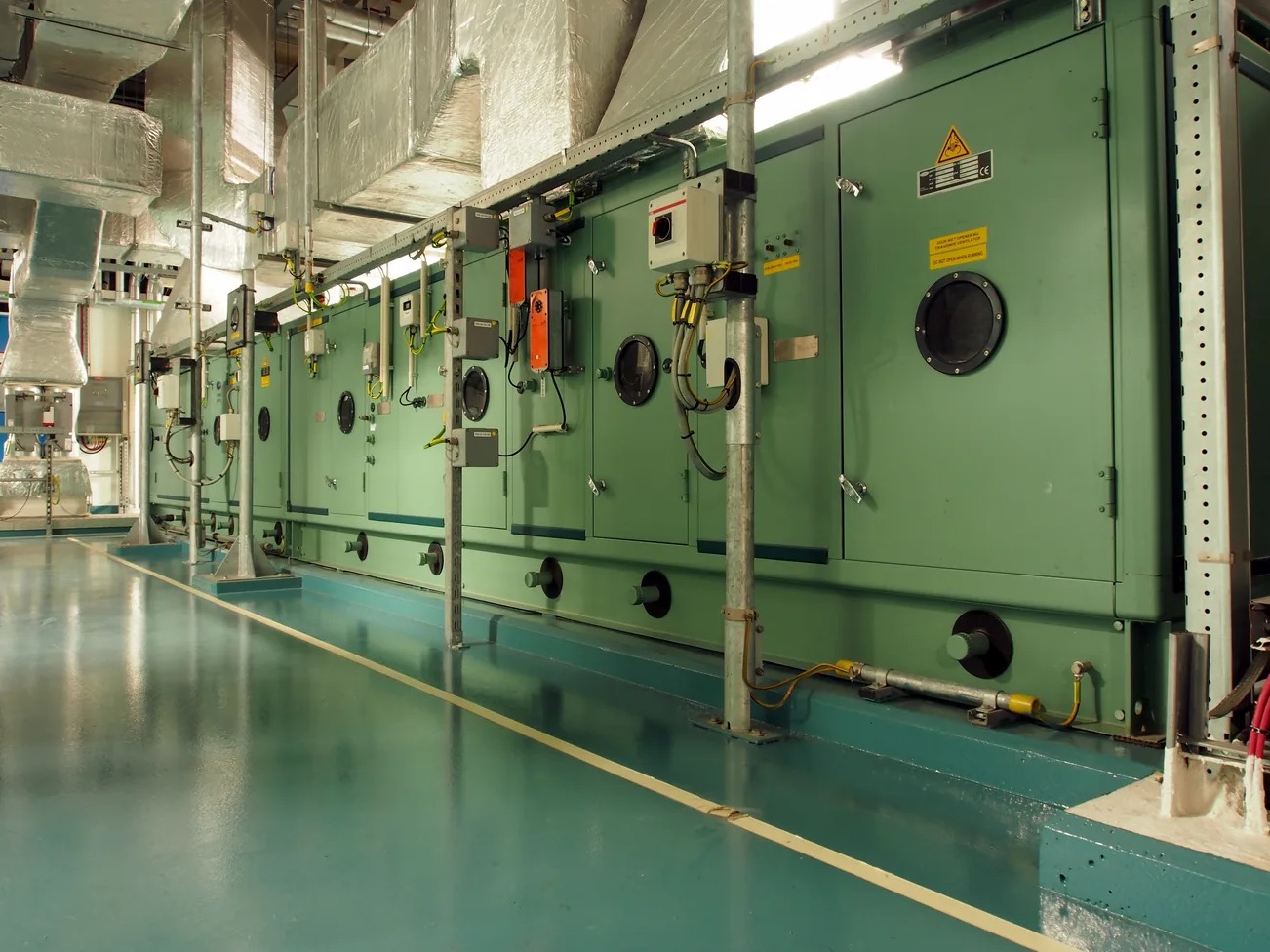
Local AC Unit Water Removal Services in Hickory Creek, Texas
When water drips from a ceiling vent or pools around the furnace closet in Hickory Creek, the AC drain is the usual suspect. A clogged condensate line sends water back into the pan until it spills over.
Homes in Hickory Creek and nearby Lake Dallas, Highland Village and Corinth run air conditioning for much of the year, so clogged condensate lines and full drain pans are common. Local water extraction experts remove the water, clear the drain and dry the ceilings, walls and floors the leak reached.
Comprehensive AC Unit Water Removal Solutions in Hickory Creek
Emergency AC Water Removal
Fast extraction limits how far the water travels into framing and insulation, and lets drying equipment go in sooner.
AC Leak Water Extraction
Water is removed from every wet surface the leak reached, including closets and rooms below an attic air handler.
AC Condensate Drain Clearing
The PVC drain line is cleared with suction or a flush, and the trap is checked so water stops backing up into the pan.
Wet AC Unit Component Drying
Air movers and a dehumidifier are set around the unit, and moisture readings are taken until the metal and insulation test dry.
AC Drain Pan Water Extraction
Both the primary pan and the secondary safety pan are emptied, and the pan is inspected for rust holes or cracks.
Warning Signs You Need AC Unit Water Removal
AC System Shuts Off
Many units have a float switch that shuts the system off when the pan fills. If the AC stops cooling, check the pan.
Visible Mold Near AC
Dark spots on drywall or framing near the unit mean the area has stayed wet for days.
Water Stains on Walls
Brown rings or peeling paint on the ceiling under an attic unit, or on walls near the closet, point to a slow leak.
Wet AC Unit Components
Damp coils, a wet blower compartment or moisture around wiring inside the cabinet mean water is collecting where it should not.
How AC Unit Water Removal Works in Hickory Creek
Step 1: Leak Assessment
The pros find the source of the leak, check how far the water spread and take moisture readings.
Step 2: Source Stop and Water Removal
The drain is cleared or the leaking part isolated, then standing water is extracted from every wet area.
Step 3: System Drying and Dehumidification
Drying equipment runs until walls, floors and insulation test dry, with readings taken at each visit.
Step 4: Verification and Restoration
Final readings confirm the materials are dry, then damaged drywall, trim or ceiling panels can be replaced.
Common Causes of AC Unit Water Damage in Hickory Creek
Improper AC Unit Installation
A unit that is not level, or a drain line without enough slope, lets water pool instead of draining.
Clogged AC Condensation Line
Algae and sludge build up in the drain line over a cooling season until water backs up into the pan.
Age and Component Wear
Older units have worn fittings, brittle seals and corroded pans that start leaking together.
Disconnected Drain Line
A drain line knocked loose in the attic or closet empties condensate onto the ceiling or floor.
AC Unit Water Removal Services for All Properties in Hickory Creek
Residential AC Unit Water Removal
For homeowners, the main risk is water soaking into insulation and drywall where no one sees it. Moisture meters find that hidden water so it can be dried before it causes rot.
Commercial AC Unit Water Removal
For property managers, one leaking unit can affect several suites or the floor below. Each wet area is extracted, dried and documented for the owner and insurer.
Why DIY AC Water Removal Often Fails in Hickory Creek
You can turn off the AC, empty the pan and towel up a puddle yourself. Moisture already inside drywall or subflooring is harder, because it takes meters to find and drying equipment to remove it.
Understanding AC Unit Water Removal Pricing in Hickory Creek
In Hickory Creek, most of the cost comes from extraction, equipment days and any drywall or insulation that has to be replaced. A walk-through sets the scope before work starts.
Emergency Service Timing
After-hours and holiday response can cost more than a scheduled weekday visit.
Preventative Treatment Scope
Antimicrobial treatment is an optional step, priced by the size of the area treated.
Affected Component Count
The more of the system that got wet, such as the blower, panels and insulation, the more drying time is needed.
Does Insurance Cover AC Unit Water Removal?
Ask your adjuster whether clearing the condensate line is covered or treated as routine maintenance, since policies differ. The water damage to ceilings, walls and floors is often handled separately from the unit.
The Value of Local Pros for AC Unit Water Removal in Hickory Creek
Systematic Drain Line Clearing
The condensate line is cleared, not just the water mopped up, so the leak does not come right back.
Leak Source Identification
The pros trace the leak to its source, whether that is a clog, a cracked pan or a failed pump.
Industry Drying Standards
Drying follows industry water damage standards, with moisture readings at each visit.
Round-the-Clock Emergency AC Unit Water Removal in Hickory Creek
Night, weekend or holiday, local water extraction experts handle leaking AC units in Hickory Creek. Call (214) 730-5993 to get the water out, the condensate drain cleared and drying started.
Call Now (214) 730-5993AC Unit Water Removal Near Hickory Creek: Areas Served
Help with AC unit water removal reaches Lake Dallas, Highland Village and Corinth, plus other communities around Hickory Creek, for houses, apartments and commercial buildings with leaking AC units.
AC Unit Water Removal FAQs
What is involved in AC unit water removal?
Standing water is extracted, the condensate line is cleared, and wet materials are dried with air movers and dehumidifiers until moisture readings are normal.
How does antimicrobial treatment help after an AC leak?
Once surfaces are dry, an antimicrobial can be applied to wood and drywall that stayed wet to slow microbial growth.
Can a wet AC unit be saved after a leak?
Often yes. Components are dried gently and checked, but an HVAC contractor should inspect electrical parts before the unit runs again.
Can an AC condensation leak damage the ceiling?
Yes. Attic units leak straight into the drywall below, causing stains, sagging and eventually collapse if left alone.
Does homeowners insurance cover water damage from an HVAC unit?
Sudden leaks are often covered, but slow leaks and the unit itself usually are not. Check your policy.